“coffee growers” search results (6300)
Do you know where coffee is grown in China? Yunnan is the most famous coffee grower.
In the impression of many people, coffee is a foreign proprietary product, which is not grown and produced in China. In fact, there are two growing places in China, Hainan and Yunnan. Yunnan is the most famous coffee growing place, and some coffee is also sold abroad. Yunnan coffee originated in 1892 and was grown in the valleys of Binchuan County by a French missionary. Up to now, there are still dozens of trees in Zhukula Township, Binchuan County.
2015-11-02 Know China where coffee Yunnan planting the most famous many people impression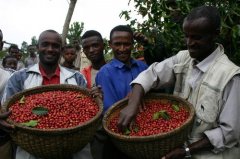
Jasmine tea, which is preferred by Ghimbi growers as a composite bean material, is fragrant and bitter
Ethiopia's coffee-producing areas are divided into east and west parts by the Great Rift Valley. Lakes, volcanoes, lowlands, plateaus and woodlands alternate and evolve independently. Ethiopia has the most diverse coffee ecosystem in the world (forest coffee, semi-forest coffee, pastoral coffee and plantation coffee), which also allows it to preserve its rich Arabica genes. The eastern half is mostly plateau, coffee beans
2016-07-04 Kimbi Ghimbi Breeders Likes As Composite Material Jasmine Tea
Aromatic, full-bodied, fruity Kenyan coffee beans
Kenya coffee is mostly grown at altitudes of 1500- 2100 meters and harvested twice a year. To make sure only ripe berries are picked, people have to make about seven rounds through the woods. Kenyan coffee is grown by small farmers who harvest the coffee and send it fresh to a cooperative washing station, where the washed, dried coffee is washed into parchment coffee beans (i.e., coated).
2016-06-21 aroma rich with fruit flavor kenya coffee bean presentation
Introduction to the varieties of coffee flavor and taste in Yega Sheffield Cochel Manor with long aftertaste and mellow thickness
China Coffee Network Chelba is a boutique coffee and raw bean cooperative located in the Gedeo area of Yejasuefei. There are about 700 smallholder growers in the Gedeo area who send the harvested coffee fruits to the Chelba cooperative's processing plant for centralized processing. The average planting area of these small growers is 2 hectares. The total area of coffee cultivation in this area is about 888 hectares. Species
2016-09-13 Yuyun long thick Goyega Sheffiko Cher Manor Coffee Flavor mouth
Introduction to the Global Coffee growers-- the characteristics of Tanzanian Coffee
Due to political instability and rampant diseases and insect pests, the coffee industry in Tanzania has been damaged, leading to a decline in the overall level of coffee and instability in quality, which in turn lead to lower prices, which are usually the result of a further decline in the coffee industry. What's more, it is estimated that more than 12% of the Arabica coffee grown in northern Tanzania from 1969 to 1985 was smuggled.
2016-03-25 Global coffee planting introduction Tanzania characteristics due to political situation no
Kenya Coffee Bean Flavor description Grinding degree introduction to the characteristics of fine coffee beans
The Kenyan government takes the coffee industry very seriously, where it is illegal to cut down or destroy coffee trees. Kenyan coffee buyers are world-class high-quality coffee buyers, and no other country can grow, produce and sell coffee on a continuous basis like Kenya. All the coffee beans were first acquired by the Kenya Coffee Commission (CoffeeBoardofKenya, CBK).
2016-10-20 Kenya coffee beans flavor description grinding variety taste boutique characteristics introduction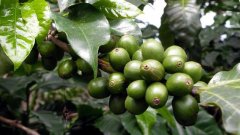
Coffee bean production in China is about to increase
The price of Arabica coffee beans has risen 73 per cent so far this year amid a drought in Brazil, the world's largest grower of Arabica coffee beans, and concerns about production next year amid persistent dry weather. According to the report, China accounts for less than 1% of global coffee production, but the global limited supply of Arabica coffee and its production
2015-11-02 China coffee beans production about to increase the world the largest rabbi species
Introduction to the characteristics of coffee flavor and taste of Burman Manor in Kenya with balanced and delicious acidity
Kenyan coffee beans the Kenyan government takes the coffee industry very seriously, where it is illegal to cut down or destroy coffee trees. Kenyan coffee buyers are world-class high-quality coffee buyers, and no other country can grow, produce and sell coffee on a continuous basis like Kenya. All coffee beans are first made by the Kenya Coffee Commission (CoffeeBoardofKenya, CBK for short)
2016-09-07 Balanced delicious acidity Kenny Abel Manor Coffee Flavor Taste producing area
Coffee leaf rust spreads rapidly in Guatemala
Leaf rust, one of the world's most destructive coffee crops, is spreading rapidly and could cause a 10 per cent yield loss to Guatemalan coffee crops, the Guatemalan coffee growers' association Anacafe said on Thursday. Growers have been fighting a new leaf rust fungus (roya) for a long time since the end of the last harvest in April, a disease that kills leaves on coffee trees and weakens them
2014-04-27 Coffee leaf rust rust Guatemala rapid spread coffee species
Depreciation stimulates the price of Brazilian coffee exports to fall
The Brazilian dollar hit a four-year low, accelerating Brazilian coffee exports, expanding the supply glut and sliding costs such as Starbucks and Kraft Foods. Coffee exports rose 20% in the first half from a year earlier to 13.385 million bales, or 800000 3000 metric tons, the Ministry of Trade of Brazil, a big coffee grower, said on the 1st. The Brazilian dollar depreciated by 9.4% in the second quarter, ranking first among the 24 major emerging market currencies.
2014-04-27 Depreciation stimulus Brazil exports coffee falling prices currency creation years lows
Kenyan Coffee Development Kenyan Coffee Culture
Ethiopian coffee drinks are imported into Kenya through southern Yemen. But it was not until the early 20th century that the Bourbon Coffee Tree was created by the St. Austen Mission (St). Austin Mission) is introduced. Kenyan coffee is mostly grown at an altitude of 1500 to 2100 meters and is harvested twice a year. To ensure that only ripe berries are picked, people must tour the forest about seven times. Ken
2016-05-27 Kenya coffee development history coffee culture Ethiopia drinks
Introduction to the practice of coffee beans in Kenya
Kenyan coffee is mostly grown at an altitude of 1500m, 2100m, and is harvested twice a year. To ensure that only ripe berries are picked, people must tour the forest about seven times. Kenyan coffee is grown by small farmers. After they harvest the coffee, they first send the fresh coffee beans to the cooperative cleaning station, where the washed and dried coffee is covered with parchment beans.
2016-06-15 Kenya coffee beans practice introduction coffee multiplicity growing at altitude
China's coffee growing industry may encounter "winter" again
Yunnan Province, China's largest coffee-producing area, is about to usher in the harvest season. The industry predicts that China's coffee planting industry may encounter a cold winter price again in the new season, and the industry calls on the public to drink more Yunnan coffee beans to help coffee growers and enterprises survive the cold winter. Coffee futures prices in New York remain between 110 cents and 115 cents, according to a recent circular issued by the Yunnan Province Coffee Industry Association.
2014-04-27 China coffee plantation reencounter winter big producing area Yunnan
Kenyan Coffee introduces the growing Environment
Coffee entered Kenya in the 19th century, when Ethiopian coffee drinks were imported into Kenya through southern Yemen. But it was not until the early 20th century that the Bourbon Coffee Tree was created by the St. Austen Mission (St). Austin Mission) is introduced. Kenyan coffee is mostly grown at an altitude of 1500 to 2100 meters and is harvested twice a year. To ensure that only ripe berries are picked, people must
2016-06-01 Kenya coffee introduction growth environment 19th century entering
Kenyan Coffee Culture Kenyan Coffee Development
Coffee entered Kenya in the 19th century, when Ethiopian coffee drinks were imported into Kenya through southern Yemen. But it was not until the early 20th century that the Bourbon Coffee Tree was created by the St. Austen Mission (St). Austin Mission) is introduced. Kenyan coffee is mostly grown at an altitude of 1500 to 2100 meters and is harvested twice a year. To ensure that only ripe berries are picked, people must
2016-05-26 Kenya coffee culture coffee development history 19th century entering Ken
Papua New Guinea plans to expand its share of the global coffee market
The head of the PNG Coffee Company said that it is possible for PNG coffee growers to increase coffee production by three times this year, as global coffee cultivation will be affected by weather changes. PNG exported 1 million bags of coffee in 2013, worth 500 million jinas.
2014-07-03 Coffee news New Guinea coffee coffee market
Introduction to the flavor of Kenyan coffee
Coffee entered Kenya in the 19th century, when Ethiopian coffee drinks were imported into Kenya through southern Yemen. But it was not until the early 20th century that the Bourbon Coffee Tree was created by the St. Austen Mission (St). Austin Mission) is introduced. Kenyan coffee is mostly grown at an altitude of 1500 to 2100 meters and is harvested twice a year. To ensure that only ripe berries are picked, people must
2016-06-03 Kenya coffee flavor introduction 19th century entering at that time
Introduction to the characteristics of Kenyan coffee beans in Berman Manor
Kenyan coffee is mostly grown at an altitude of 1500m, 2100m, and is harvested twice a year. To ensure that only ripe berries are picked, people must tour the forest about seven times. Kenyan coffee is grown by small farmers. After they harvest the coffee, they first send the fresh coffee beans to the cooperative cleaning station, where the washed and dried coffee is covered with parchment beans.
2016-07-20 Kenya flavor taste manor producing area introduction Berman coffee beans characteristics Ken
Kenya Coffee Estate Berman Estate Flavor Taste Features
On an international scale, the growth in Kenyan coffee production has been remarkable, with exports rising from 800,000 bags in 1969- 1970 to 2 million bags in 1985 - 1986. Production is now stable at 1.6 million bags, averaging about 650 kg per hectare. The average price of coffee in Kenya has been rising since before the recent spike. 1993--1994 The annual price is 12.
2016-07-16 Kenya Coffee Manor Berman Flavor Taste Region Characteristics Introduction International
Basic knowledge of how to change from grain to cup of coffee
People in Seattle are curious. They want to know where their food comes from. We may know what kind of chicken we eat, or which farm our usual carrots come from, or which beach our oysters for dinner come from. Although Seattle people now prefer locally produced farm and livestock products, the same drink they need every day is another drink from the earth.
2015-09-10 Coffee how one grain one cup basics common sense